


Introduction
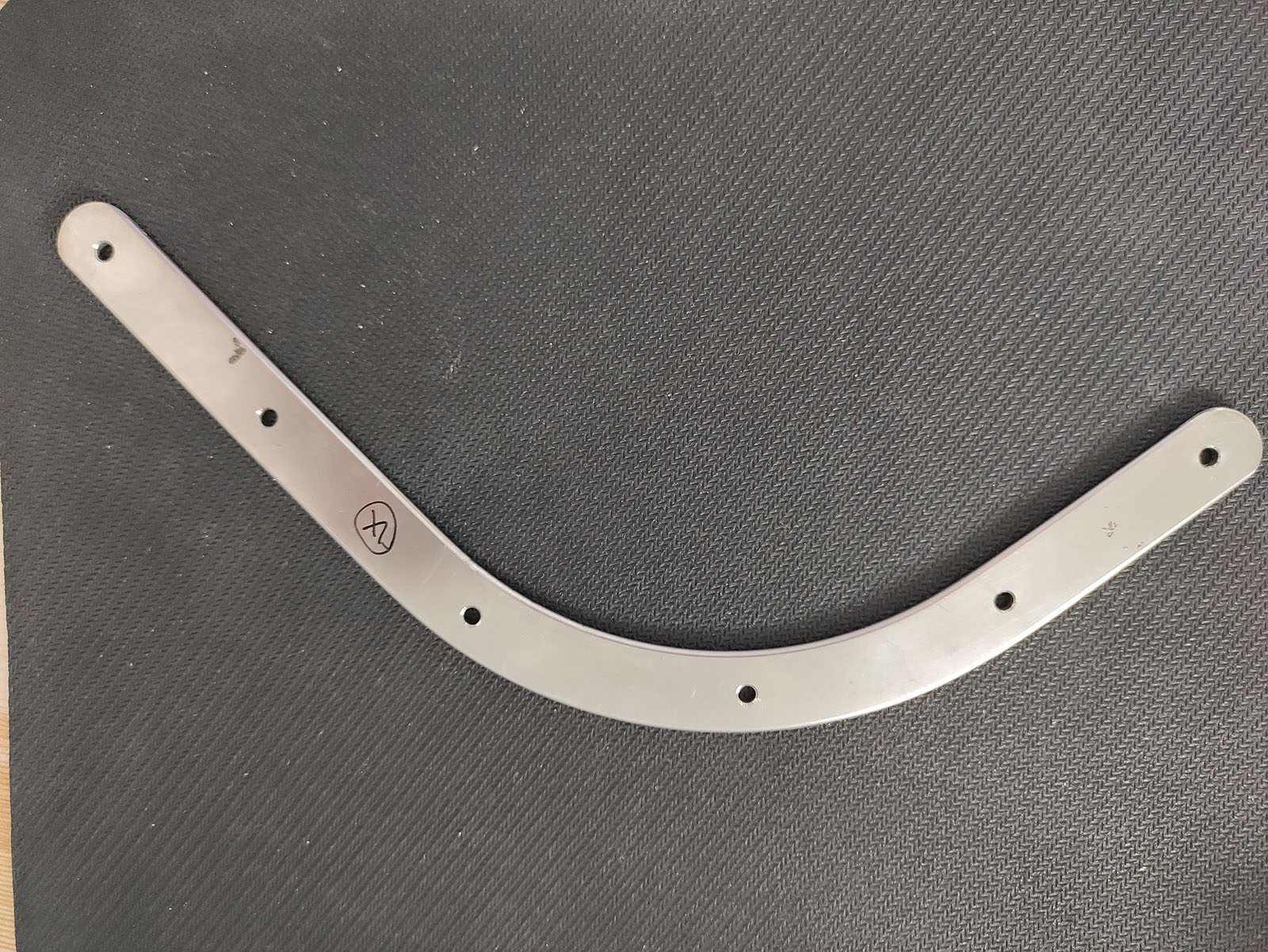
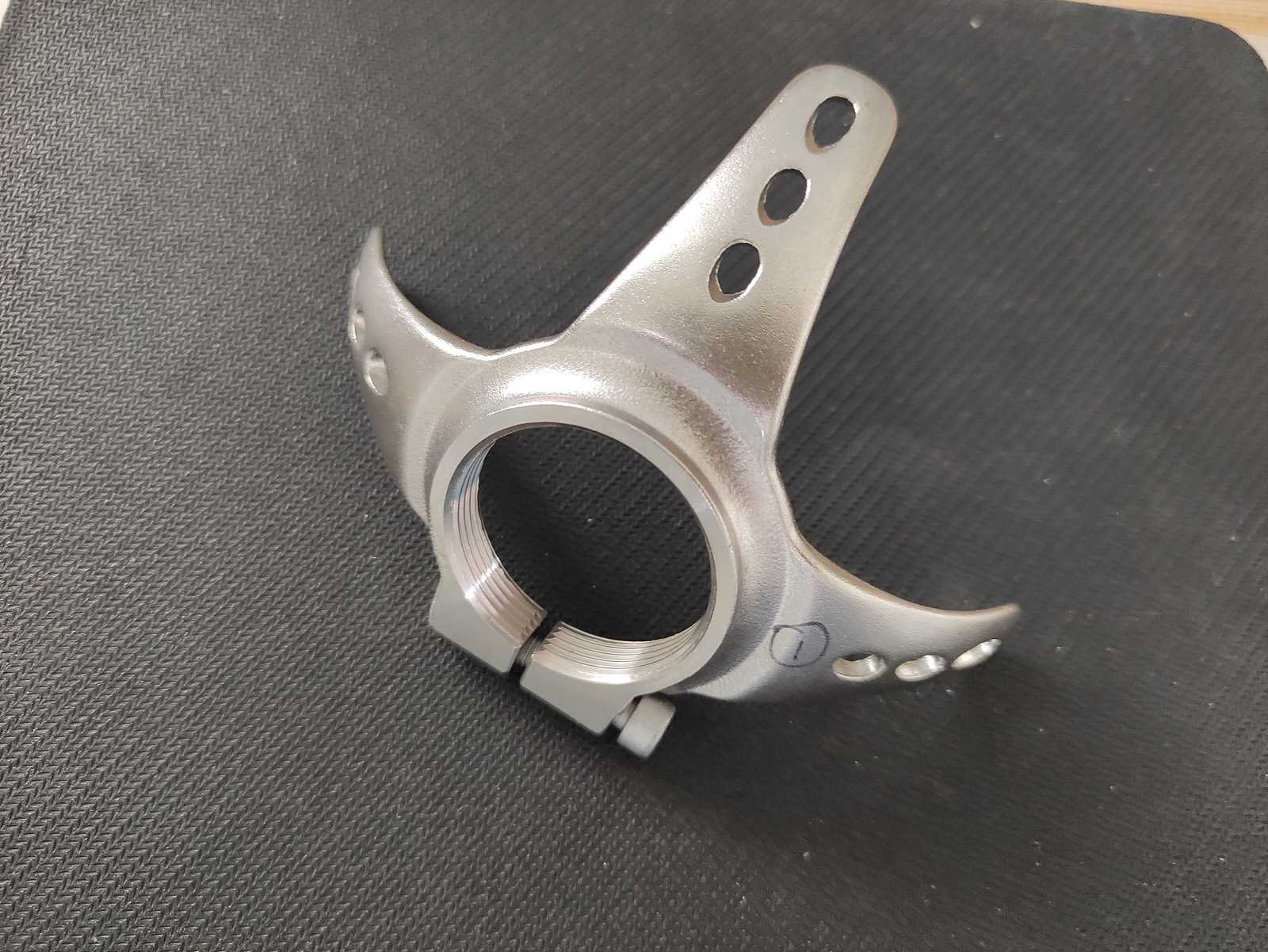
Thestainless steel joint prosthesis is a highly advanced medical device designed to replace or support damaged joints in the human body. Utilizing state-of-the-art manufacturing techniques such asinvestment casting andprecision CNC machining, these prostheses are crafted from high-quality stainless steel alloys, primarily316L, known for its biocompatibility and corrosion resistance. Widely used in orthopedic surgeries, these prostheses offer exceptional durability, strength, and compatibility with human tissues, making them ideal for long-term implantation.
Features
Biocompatibility: Made from 316L stainless steel, the prosthesis is designed to be compatible with human tissues, reducing the risk of adverse reactions.
Corrosion Resistance: The 316L stainless steel alloy provides excellent resistance to bodily fluids, ensuring long-term performance.
Precision Engineering: Post-casting CNC machining ensures ultra-precise dimensions, critical for proper joint function and patient comfort.
Customizability: The investment casting process allows for tailored designs to meet specific anatomical requirements.
Lightweight Design: Despite its strength, the prosthesis is lightweight, reducing stress on surrounding tissues.
Details
The manufacturing process begins with the creation of a wax pattern, which is coated with a ceramic shell to form a mold. Molten stainless steel is then poured into the mold, resulting in a seamless, high-strength prosthesis with intricate details. This method is ideal for producing components that require both precision and durability. Post-casting, the prosthesis undergoes CNC machining to achieve the exact dimensions required for optimal fit and function.
Specifications
| Material | 316L stainless steel (primary), 304 stainless steel (secondary) |
| Tolerance | Precision up to ±0.005 mm through CNC machining |
| Surface Finish | Options include electropolishing, mirror polish, or specialized coatings for enhanced biocompatibility |
| Weight | Lightweight design to minimize stress on surrounding tissues |
| Size Range | Available in various sizes to accommodate different joint dimensions |
Advantages
Durability: Resists wear, corrosion, and extreme conditions, ensuring long-term reliability.
Biocompatibility: Reduces the risk of rejection or adverse reactions, making it safe for long-term implantation.
Customizability: The investment casting process allows for patient-specific designs, improving surgical outcomes.
Cost-Efficiency: Minimizes material waste and reduces the need for extensive post-processing.
Versatility: Suitable for a wide range of joint replacement applications, including hip, knee, and shoulder joints.
Applications
Orthopedic Surgery: Used in hip, knee, and shoulder joint replacements.
Trauma Care: Provides support and reconstruction for damaged joints due to accidents or injuries.
Rheumatology: Offers relief for patients suffering from severe arthritis or joint degeneration.
Sports Medicine: Helps athletes recover from joint injuries with durable and reliable prostheses.
Pediatric Orthopedics: Customizable designs for younger patients with congenital joint issues.
Material
The joint prosthesis is primarily made from316L stainless steel, which is specifically chosen for itsbiocompatibility,corrosion resistance, andmechanical strength. The inclusion ofmolybdenum in 316L enhances its resistance to pitting and crevice corrosion, making it ideal for use in the human body. In some cases,304 stainless steel may be used for less demanding applications.
Conclusion
Thestainless steel joint prosthesis represents the pinnacle of medical engineering, combiningdurability,precision, andbiocompatibility to meet the rigorous demands of modern orthopedic surgery. By leveraging advanced manufacturing techniques such asinvestment casting andCNC machining, this prosthesis offers a reliable solution for patients requiring joint replacement or reconstruction. Whether for trauma care, arthritis treatment, or sports medicine, the stainless steel joint prosthesis stands as a testament to innovation and patient care.
Hot Tags: stainless steel joint prosthesis, China stainless steel joint prosthesis manufacturers, suppliers, factory, alpha investment casting, investment casting aluminum at home, steel investment foundries, soluble wax investment casting, investment casting usa


